The Strategic Value of Pointless Work
Opening
The standard narrative around AI and job displacement is emotionally charged but economically naive. It assumes firms are rational profit maximizers who will eliminate labor the moment a machine can do it cheaper. That assumption is wrong. A deeper look at the cost structure of work reveals something uncomfortable: many companies actively preserve jobs that could be automated, not out of charity, but because the “pointless” work serves a critical business function that automation cannot replace.
The Overlooked Angle: Work as a Purpose Engine
The long-tail angle is not about whether AI can replace labor, but about why companies deliberately choose to keep labor-intensive, low-value processes running. The hidden function of many jobs is to provide workers with a sense of purpose, social identity, and status. This purpose is an asset on the company’s balance sheet—it reduces turnover, maintains cultural cohesion, and prevents the silent productivity collapse that follows when employees feel they are no longer needed.
Why This Small Detail Matters
Most business leaders intuitively know that disengaged workers are expensive. Gallup data consistently shows that low engagement costs the global economy trillions in lost productivity. But the connection to automation is rarely made. When a company automates a job, it doesn’t just save salary; it destroys the purpose that employee derived from that role. If the remaining employees see their colleagues replaced, their own sense of worth erodes. The result is a surge in attrition, a drop in discretionary effort, and a hidden cost that often exceeds the labor savings.
The Economic Mechanism
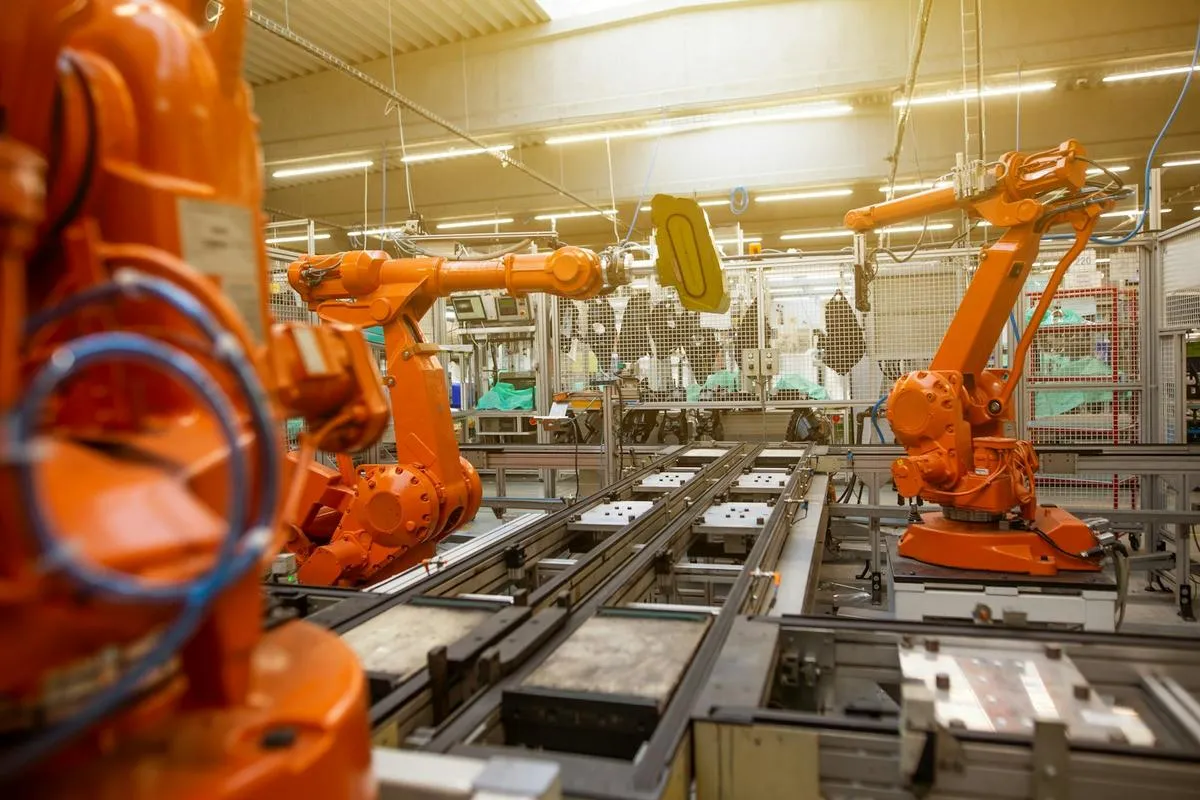
Consider a factory line. A robot can pack boxes faster and cheaper than a human. The unit economics seem clear: replace the human, save $40,000 per year. But the true cost of that decision includes the following:
- Purpose tax: The remaining workers, seeing a colleague replaced, lose an average of 15-20% of their intrinsic motivation. This is measurable in lower output per hour.
- Status vacuum: Work confers status. Without the identity of being “a worker,” employees become disengaged. Absenteeism rises.
- Social cohesion loss: Teams that share mundane tasks develop social bonds. When those tasks vanish, informal networks weaken, slowing information flow and problem-solving.
- Regulatory and social risk: Mass layoffs attract negative press, union activity, and potential regulatory backlash.
When you add these costs, the net benefit of full automation often turns negative. This is why many firms intentionally keep “busy-work” roles—receptionists, data entry clerks, quality checkers—even when a system could do the job. The role serves as a purpose anchor.
The Strategic Consequence
The companies that understand this dynamic will not race to full automation. Instead, they will adopt a hybrid model: automate the soulless, repetitive tasks that truly drain energy (and that employees hate), but preserve the roles that provide social structure and identity, even if those roles are technically inefficient. This creates a competitive advantage in talent retention and cultural stability. The losers are the pure-play automation vendors who promise total replacement, as their clients will ultimately reject full implementation.
What Most Commentary Gets Wrong
The popular discourse on AI and meaning assumes that society or individuals must find purpose elsewhere after automation. It frames the problem as a psychological or philosophical one. That misses the business reality: companies themselves have a direct financial incentive to keep their workers engaged, and purpose is a key input to engagement. Therefore, the market will naturally resist the dystopian scenario of mass unemployment because it is not in the interest of individual firms. The real tension is not “AI vs. jobs,” but “short-term cost reduction vs. long-term organizational health.”
The Hard Business Lesson
Do not confuse technical feasibility with economic desirability. Just because a job can be automated does not mean it should be. The wise strategist calculates the full P&L of purpose. If a job, no matter how trivial, is a pillar of employee identity, removing it carries a balance sheet liability that can exceed the wage saving. In the race to adopt AI, the companies that win will be the ones that treat purpose as a real resource, not a sentimental side effect.