The Silent Squeeze on Inventory
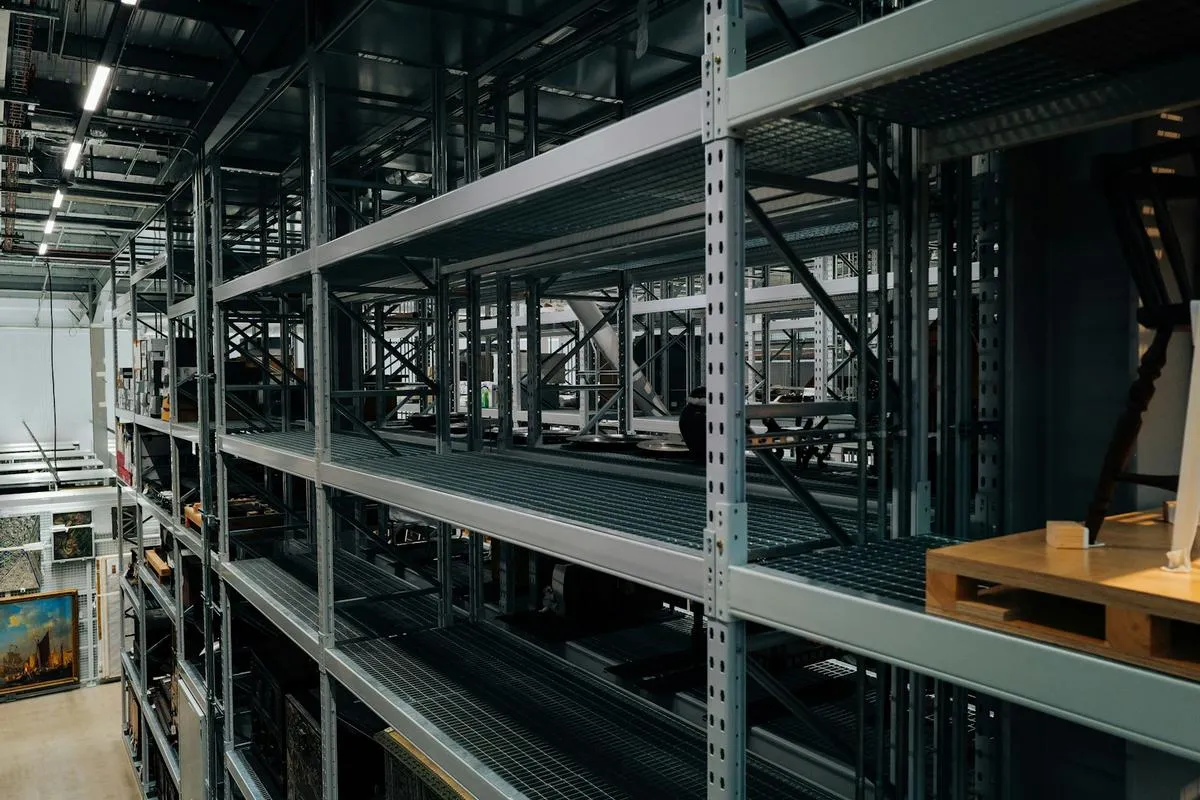
Opening
The mainstream narrative around inflation and the Fed fixates on the next FOMC meeting, the dot plot, and the chairman’s choice of words. That is theater. The real economic damage is happening in a corner most analysts ignore: the 2-year Treasury yield. Since late February, that yield has surged by 79 basis points to 4.17%. While pundits debate when the Fed will raise rates, the bond market has already raised them for every company that finances inventory through a floating-rate loan. The cost of holding a widget on a shelf just went up by nearly a full percentage point, and the transaction happened without a single vote from the FOMC.
The Overlooked Angle
The overlooked angle is not that the bond market is anticipating rate hikes. That is obvious. The angle is that the 2-year Treasury yield functions as the de facto benchmark for a vast web of commercial loans used to finance inventory and working capital. Banks rarely lend at the Fed funds rate to small and mid-sized businesses. They lend at a spread over the 2-year yield. When the 2-year yield jumps, the interest rate on an inventory line of credit jumps with it. This direct transmission mechanism means the real tightening of financial conditions has already begun, months before the Fed moves.
Why This Small Detail Matters
Inventory financing is a high-volume, low-margin business for both lenders and borrowers. A typical manufacturer or wholesaler carries inventory worth months of sales. They fund it with a revolving credit facility that floats with a short-term benchmark. The difference between a loan priced off the Fed funds rate and one priced off the 2-year yield might seem academic. In practice, the 2-year yield is the true marginal cost of carrying goods because banks hedge their floating-rate loan portfolios using 2-year Treasury futures and swaps. The hedge cost passes through to the borrower. As the 2-year yield rises, the loan’s all-in cost rises point-for-point. The borrower cannot wait for the Fed to act. They pay the higher cost today.
For a company with a $50 million inventory line, a 79 basis point increase adds $395,000 to annual interest expense. That is not a rounding error. For a retailer operating on 3% net margins, that extra cost wipes out the profit on roughly $13 million in sales. The operational drag cascades: slower inventory turns, lower orders from suppliers, and eventual pressure on pricing. The entire supply chain feels the squeeze before a single official rate hike.
The Economic Mechanism
The mechanism is straightforward but often ignored by those who treat the Fed as the sole arbiter of short-term rates. The Fed funds rate is an overnight rate, controlled by the Fed through open market operations. The 2-year yield is a market-determined rate that reflects expectations for the path of the Fed funds rate plus a term premium for inflation and duration risk. When the 2-year yield rises sharply, it signals that the market believes the Fed will raise rates and that inflation will remain elevated. Banks, being rational actors, align their lending rates with the market, not with the current policy rate. A floating-rate inventory loan is typically repriced quarterly based on the 2-year yield or a similar benchmark. As the benchmark rises, the borrower’s interest payments rise mechanically.
This creates a self-reinforcing cycle. Higher inventory financing costs discourage stockpiling. Companies reduce order quantities and lean out their supply chains. This slows economic activity more reliably than any Fed jawboning. The bond market’s demand for rate hikes forces the real economy to tighten, which in turn supports the case for actual rate hikes. The Fed becomes a follower, not a leader. The 2-year yield is the lead dog.
The Strategic Consequence
The strategic winners and losers are becoming clear. Companies with strong cash positions or low leverage can self-finance inventory and avoid the rising cost. They gain a competitive advantage, as their over-leveraged competitors are forced to destock. Companies with thin margins and heavy inventory — think discount retailers, automotive parts distributors, chemical manufacturers — are the losers. They face a direct hit to their gross margins. This pressure will accelerate industry consolidation. The bond market is not just forecasting the Fed; it is reshaping which business models survive.
For lenders, the rising 2-year yield improves the yield on new loans but also increases credit risk. Borrowers under stress default more often. The net effect depends on the bank’s loan book composition. Community banks with heavy exposure to small business inventory lending are particularly vulnerable. They cannot hedge as effectively as large money-center banks. The rise in the 2-year yield widens the gap between the haves and the have-nots in banking, just as it does in commerce.
What Most Commentary Gets Wrong
Almost all commentary on the current bond market sell-off focuses on two things: the Fed’s next move and the 10-year yield’s breach of 4.5%. Both miss the point. The Fed’s next move is irrelevant because the bond market has already moved for them. The 10-year yield is a poor indicator for short-term business financing. The real action is in the 2-year yield, because that is the maturity that aligns with inventory holding periods. A typical inventory turnover cycle is 30 to 90 days. The 2-year yield is the most relevant risk-free rate for that time horizon. Commentators who obsess over the 10-year yield are discussing the wrong price. They are looking at the mortgage market, not the commercial lending market.
Furthermore, the lazy narrative says the Fed will “tolerate higher inflation” and that the bond market is overreacting. That is wishful thinking. The bond market is pricing in the actual cost of money for the businesses that keep goods moving. If the 2-year yield stays elevated, inventory financing costs will remain high. Companies will adjust by reducing inventory, which means less demand for raw materials and intermediate goods. The inflation that everyone worries about is partly supply-driven, and by making inventory more expensive to hold, the bond market is inadvertently tightening supply further, potentially exacerbating inflation. It is a messy feedback loop that no central bank can control directly.
The Hard Business Lesson
The hard business lesson is that the bond market, not the Fed, is the true arbiter of short-term financing costs. If you run a company that carries inventory, the 2-year Treasury yield should be on your dashboard alongside input costs and freight rates. You should not wait for the Fed to act. The cost of money has already risen. You need to reassess your inventory turnover targets, renegotiate loan covenants, and hedge the floating-rate exposure with 2-year Treasury futures if possible. Ignoring the 2-year yield means you will be caught flat-footed when your next interest payment arrives.
This analysis applies equally to private equity firms and their portfolio companies. Many leveraged buyouts rely on inventory-based revolvers. A 79 basis point spike in the benchmark reduces the debt capacity available for working capital. It increases the cash outflow to interest, lowering EBITDA and tightening debt service coverage ratios. The financial engineering that looked sound six months ago now looks fragile. The bond market has already delivered the tightening; the rest is just follow-through.
There is trouble brewing in the Treasury market, as the original analysis noted. But the trouble is not abstract. It is concrete, measurable, and is already hitting the bottom lines of businesses that depend on short-term credit to move goods. The 2-year yield is the hammer, and the inventory line is the nail. Watch the yield, watch the spread, and watch your working capital. The Fed will get there eventually, but the bond market has already arrived.