The Hidden Cost of Rising Short-Term Yields
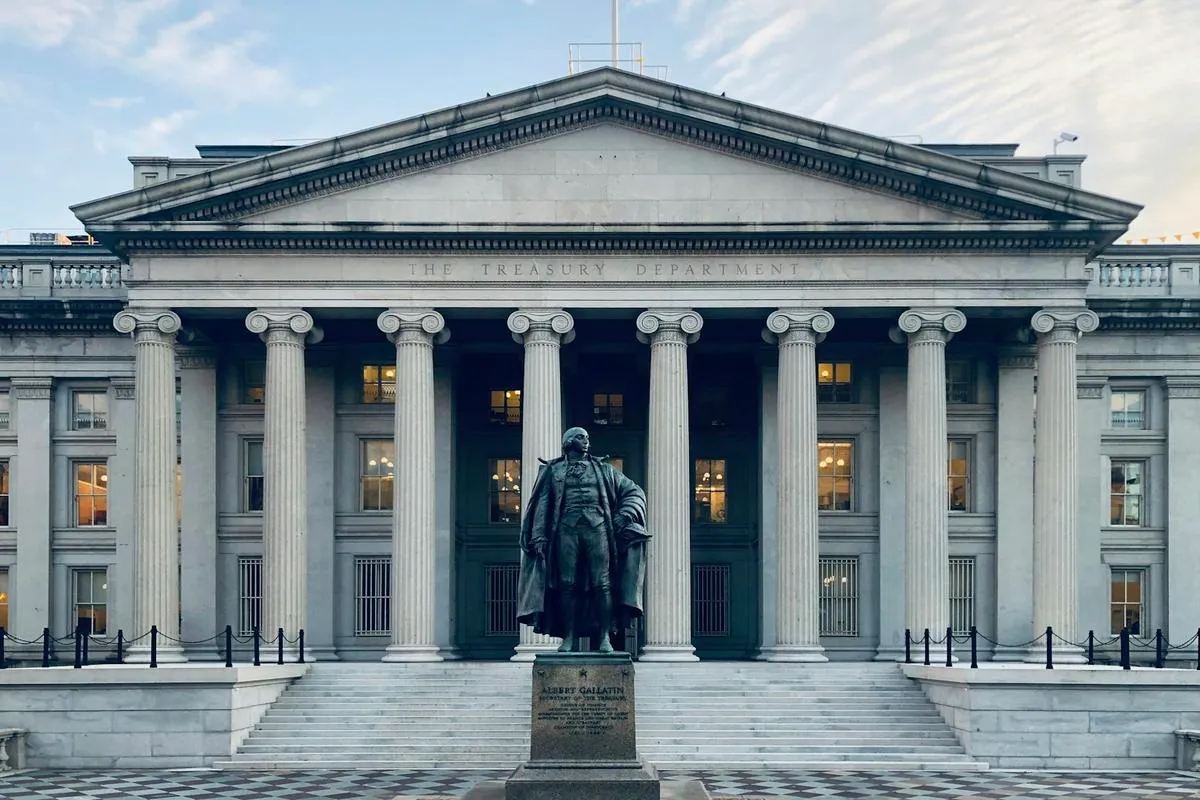
The financial press loves a story about bond markets screaming at the Fed. The six-month yield spiking to 4% makes for a great headline. But the real business story is not about monetary policy signaling. It is about the slow, mechanical cost of funding the US government’s addiction to short-term debt. Every time the Treasury auctions $84 billion in six-month bills at a higher rate, it raises the effective interest expense on the national debt. That cost is not optional. It cannot be hedged away. And it is accelerating faster than the market’s attention span.
The Overlooked Angle
The angle is not the Fed. It is the Treasury’s funding mix. The government has been issuing an enormous volume of short-term Treasury bills as a share of total debt. These bills mature in weeks or months, requiring constant rollover. As short-term yields rise, the cost of rolling over that debt increases immediately. The six-month yield has gone from below the effective federal funds rate to 35 basis points above it. That means the government is now paying a premium over the Fed’s policy rate just to borrow for six months. This is not a theoretical future cost. It is a current, compounding cash outflow that directly expands the deficit.
Why This Small Detail Matters
Most coverage focuses on the bond market’s ‘message’ to the Fed. That is commentary, not analysis. The real consequence is fiscal arithmetic. The US government sold $84 billion in six-month bills at an investment rate of 3.97% this week. Two weeks ago, that same auction yielded 3.80%. The difference of 17 basis points on $84 billion amounts to about $143 million in additional interest per year for that one auction alone. Extend that over every weekly auction of three-month, six-month, and one-year bills, each at higher yields, and you get a multi-billion dollar annual cost. But it gets worse. The volume of short-term debt outstanding is around $5 trillion. A 50-basis-point increase in the average yield on that stockpile costs the Treasury $25 billion in extra interest per year. That is real money with real consequences for future spending, taxation, or borrowing.
The Economic Mechanism
The mechanism is a simple, brutal pass-through. The Treasury issues bills at auction. The auction yield is determined by demand. When demand is weak because inflation data is hot, yields rise. The Treasury cannot refuse the price. It must roll over the maturing debt. If it does not, the government defaults. So the Treasury is a price taker in its own funding market.
The cost structure looks like this:
- Outstanding short-term debt: ~$5 trillion
- Average maturity: about 4-6 months
- Rollover frequency: every auction cycle (weekly for 3-month and 6-month, monthly for 1-year)
- Yield sensitivity: every 25 bp increase in average yield adds ~$12.5 billion in annual interest cost
- Fee or spread: none (the Treasury does not pay intermediaries; the auction is direct)
The key is that short-term debt is refinanced constantly. Unlike long-term bonds locked in at fixed rates, bills reset at every auction. So the Treasury’s interest expense on this portion of the debt moves almost in real time with market yields. This creates a direct link between bond market expectations and the federal budget. The Fed’s rate decisions matter, but the market’s willingness to buy bills at current yields matters more. The bond market, by demanding higher yields, forces the Treasury to pay more, which widens the deficit, which requires more borrowing, which puts upward pressure on yields. It is a reinforcing loop.
The Strategic Consequence
Who benefits? Investors holding short-term instruments. Banks issuing brokered CDs at over 4% are attracting retail cash that might otherwise sit in low-yield savings accounts. But the big winner is the Treasury itself, indirectly. Higher yields attract foreign and domestic buyers, ensuring the auctions clear. But that is a shallow win. The real strategic consequence is a structural shift in fiscal policy. As the Treasury’s interest bill rises, it crowds out other spending. The Congressional Budget Office already projects net interest costs to reach $1 trillion per year within a decade. Each 50-basis-point move in short-term yields accelerates that timeline.
Who loses? Every taxpayer and future borrower. The cost is born by everyone, but it hits the federal budget in a way that reduces flexibility. It also makes long-term bonds more attractive to the Treasury as a way to lock in rates, but long-term yields are also elevated. The Treasury cannot escape. The only variable is the mix. If the Treasury extends maturities, it reduces rollover risk but may have to pay even higher yields on longer-term bonds. If it keeps relying on short-term bills, it retains flexibility but absorbs market volatility. The current strategy, stuck between, means the cost is rising faster than most budget models predicted.
What Most Commentary Gets Wrong
The lazy interpretation is that rising short-term yields are a ‘message’ to the Fed to hike. That is true, but it is the least interesting part. The deeper mistake is assuming the Fed controls the cost of government borrowing. It does not. The Treasury is not the Fed’s client. The Treasury must fund the government at whatever price the market demands. The Fed can influence short-term rates, but the Treasury’s cost is a function of auction demand, deficit size, and rollover frequency. The notion that rate hikes would ‘fix’ the bond market’s anxiety is simplistic. Hikes might calm inflation expectations, but they also raise the entire term structure. The Treasury would pay more either way. The real insight is that the bond market is not just voting on monetary policy; it is voting on fiscal sustainability. And the six-month yield is the most impatient vote of all.
The Hard Business Lesson
The lesson for anyone analyzing financial markets or managing institutional portfolios is this: follow the cost of funding. The six-month yield is not just a leading indicator for Fed action. It is a direct input to the government’s profit and loss statement. The US Treasury is the largest borrower in the world. Its cost of short-term funding determines how much tax revenue is consumed by interest rather than spent on operations. Every 25 basis points of yield increase is a permanent, compounding cost. That cost will eventually force changes in policy—either spending cuts, tax increases, or more inflation to erode the real value of the debt. The bond market is not sending a message. It is delivering a bill.