The Inflation the Fed Cannot Ignore
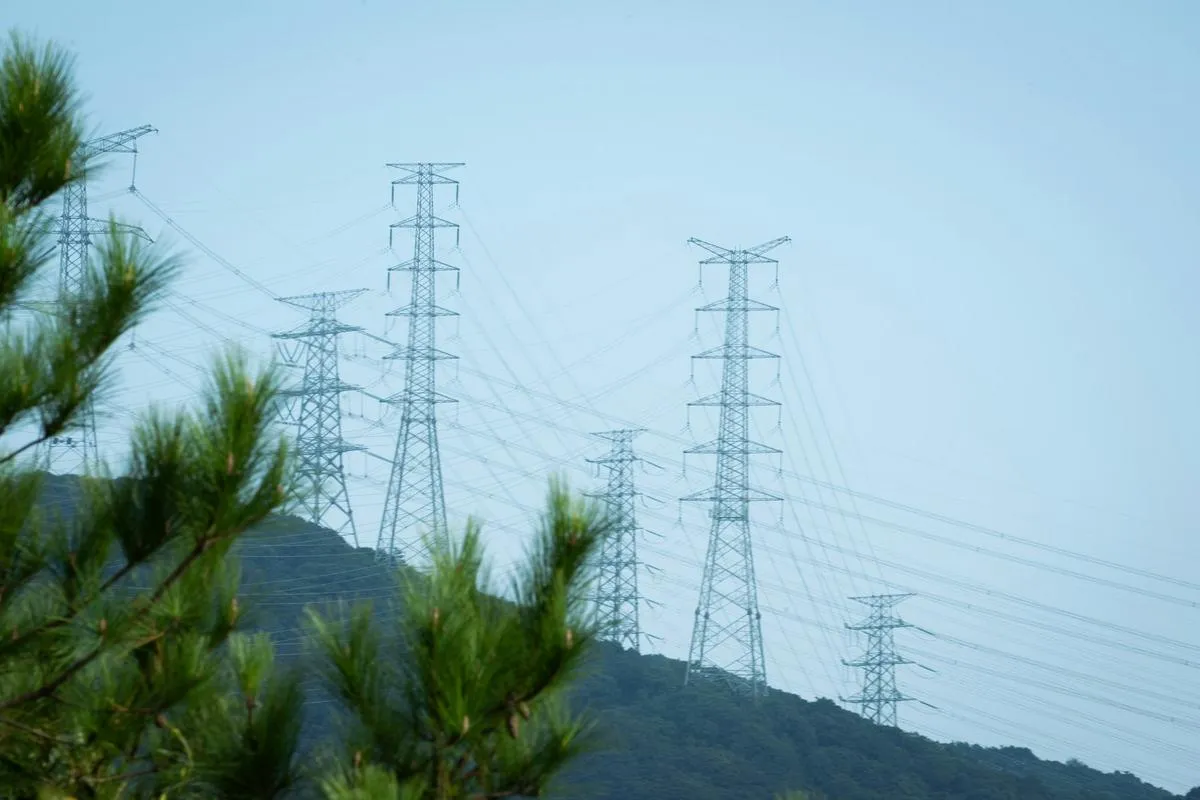
The Inflation the Fed Cannot Ignore
Headlines scream about gasoline spikes and food inflation. But the real story is buried in a line item that weighs only 2.5% of CPI yet carries disproportionate strategic weight: electricity. The Bureau of Labor Statistics reported that the CPI for electricity spiked 2.1% month-over-month in April, following a 0.82% jump in March. Year-over-year, electricity prices are up 6.1%. Since January 2020, the index has soared 44%. This is not a blip. It is a structural shift driven by the AI boom, and it breaks the Federal Reserve’s standard playbook.
The Overlooked Angle
Most analysis of the April CPI data fixates on the headline 3.81% year-over-year all-items figure and the return of negative real rates. But those are symptoms. The overlooked mechanism is the structural transformation of electricity pricing—how a regulated monopoly industry, facing a sudden demand surge from data centers, is passing through permanent cost increases that the Fed cannot “look through” the way it can with gasoline. Gasoline spikes are cyclical; electricity spikes are structural. And because utilities are regulated, the price increases are both persistent and self-reinforcing.
Why This Small Detail Matters
Electricity weighs only 2.5% of the all-items CPI. But its impact on the core services index, which excludes energy, is indirect. More importantly, electricity is a universal cost input. Every business consumes electricity. Every household pays a monthly bill. When electricity prices rise structurally, they embed themselves into the cost base of the entire economy: manufacturing, retail, logistics, and even AI itself. The Fed’s favorite strategy—ignoring volatile energy components because they tend to revert—fails here because electricity prices never revert. They go up and stay up, or they go up again.
The Economic Mechanism
The mechanism has three layers:
-
Demand shock from data centers. The AI buildout requires enormous computing power. Data centers are now the fastest-growing source of electricity demand in the United States. According to industry estimates, data center electricity consumption could double by 2030. This is not a temporary spike like summer air conditioning. It is a permanent increase in baseline load.
-
Regulated monopoly pricing. Most U.S. electricity is delivered by investor-owned utilities that are regulated monopolies. They cannot raise prices arbitrarily without regulatory approval, but when they file rate cases citing capacity constraints and new infrastructure costs, regulators typically approve increases. The process is slow but inexorable. The April data reflects rate increases approved months earlier, based on costs incurred even earlier. The lag means current price spikes are just the leading edge of a multi-year wave.
-
Fixed cost recovery. Electricity generation, transmission, and distribution have very high fixed costs. When demand increases, utilities need to build new plants, upgrade grids, and secure fuel contracts. Those capital expenditures are recovered through rates charged to all customers, not just the data centers causing the demand. This creates a perverse cross-subsidy: residential and small business customers pay higher rates because of the AI boom, even if they use no AI services.
The Strategic Consequence
The consequence is that the Fed faces an inflation component that is both persistent and accelerating. Unlike gasoline, which often falls back after a geopolitical shock, electricity inflation is fundamentally driven by capital spending cycles that run 5–10 years. The Fed’s “look through” doctrine—ignore energy and food, focus on core services—assumes energy shocks are transitory. But electricity is not transitory. It is structural. And because it feeds into core services indirectly (through higher costs for hotels, offices, retail, and even rent via utility bills passed to tenants), it creates a second-order effect that conventional core measures miss.
Who benefits? The utilities and their shareholders. Regulated monopolies with rising demand see guaranteed returns on new investment. The AI hyperscalers—Google, Microsoft, Amazon—benefit from the boom but also face increasing power costs, which will eventually pressure their margins or their pricing. Who loses? Consumers and businesses that lack pricing power. The strategic outcome is a slow transfer of wealth from the general economy to capital-intensive infrastructure owners, facilitated by regulation.
What Most Commentary Gets Wrong
The lazy take is “the Fed is behind the curve because CPI beat rates.” That is true but shallow. The deeper error is assuming that electricity inflation will behave like past energy shocks. It will not. In 2022, gasoline inflation peaked at 60% year-over-year and then collapsed. Electricity inflation during that period was around 14% and has never returned to pre-2020 levels. The 44% cumulative increase since 2020 is permanent. The current 6.1% year-over-year is now accelerating from a much higher base. Commentators who lump gasoline and electricity together are modeling the wrong risk. The bond market should indeed freak out, but not because of a transitory gasoline spike—because the structural electricity inflation signals a new regime of higher baseline costs that the Fed cannot accommodate without losing credibility.
The Hard Business Lesson
The lesson for strategists is to stop looking at CPI headlines and start decomposing the components by their persistence characteristics. Electricity is a new structural cost driver that behaves more like rent than like gasoline. It is sticky, regulated, and growing. Any business with significant power consumption—manufacturing, cold storage, data centers, electric vehicles—must hedge power costs or build in pricing power. The Fed will eventually have to choose between allowing higher inflation and raising rates into a slowing economy. Given the political pressure on utility rates, the most likely outcome is that the Fed tolerates higher electricity inflation, letting real rates stay negative longer than expected. That is not a policy error. It is a structural capitulation to the AI-driven energy demand cycle. Follow the value: the value is now flowing to regulated utilities, and the cost is flowing to everyone else.